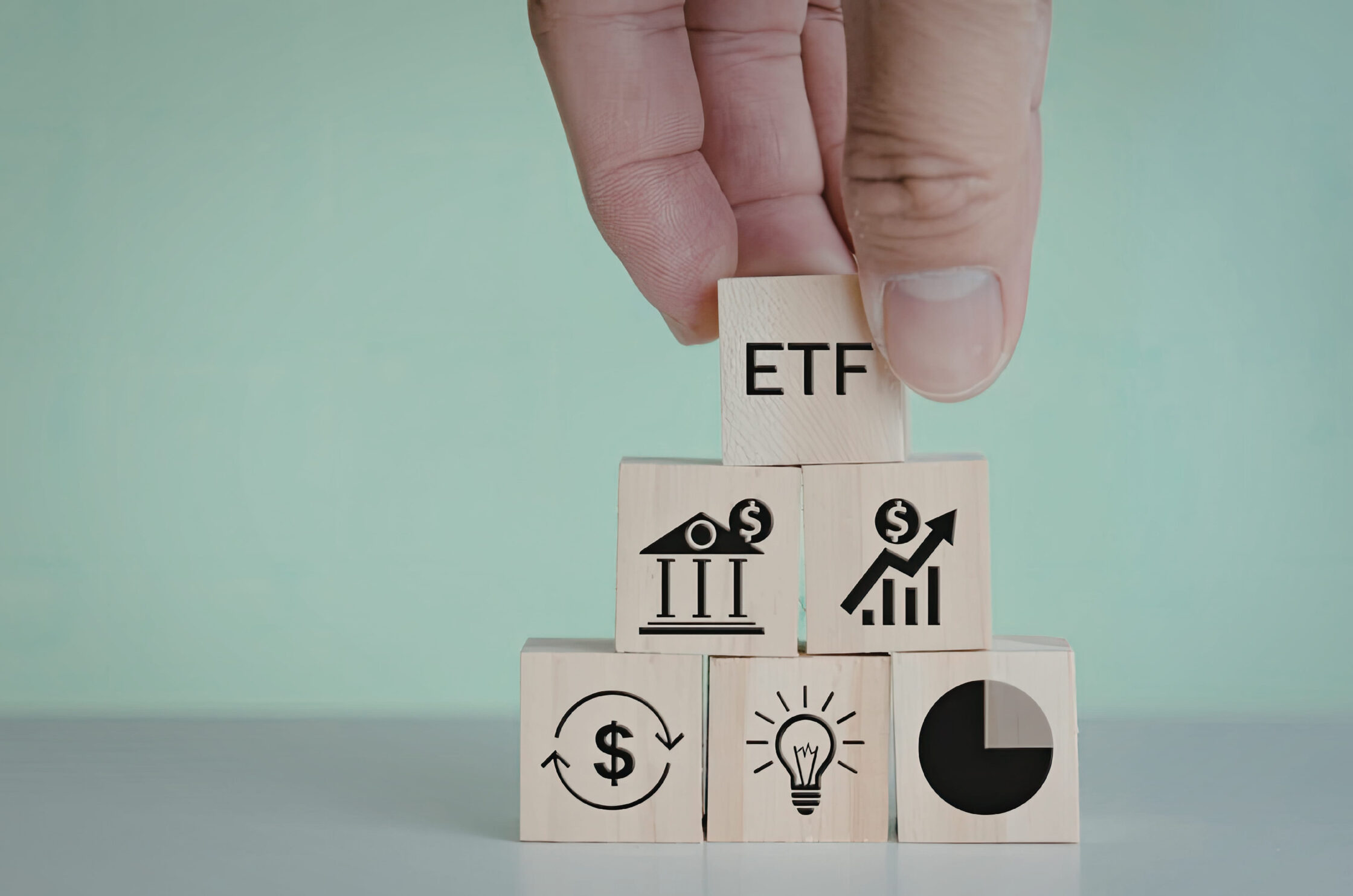
What Is An ETF?
For investors seeking diversification, exchange-traded funds, or ETFs, can be a useful tool. ETFs are tools meant to mix up your investment portfolio. Having a more varied portfolio reduces risks and helps support long-term growth. Learn what ETFs are, how they operate, and which ones might be the best for you.
ETF Basics
An ETF is a collection of assets combined into one portfolio that investors can buy and trade however they see fit. Assets can be:
- Bonds
- Stocks
- Commodities
Prices for any given ETF fluctuate between market hours daily, like stocks. Unlike traditional stocks or investments, everything is bundled into one portfolio, where it can be traded, sold, or bought - like traditional stocks!
With the combination of assets, ETFs allow investors to fortify their portfolio with less volatile financial instruments. Thanks to their built-in diversification and flexibility, ETFs can help investors spread risk across multiple companies, industries, or asset classes rather than relying on a single investment. With the risk spread out, this can be a great option for beginner investors.
Types of ETFs
Not all ETFs are created equal. Now that you know the basics of how and why ETFs are created and managed, it’s important to understand the various types of ETFs.
Equity
There are two types of equity ETFs. Both are a collection of various stocks combined into one singular trade, like individual stocks. Their purpose is to diversify but simplify one’s portfolio.
- Local - A type of equity ETF that is within an investor’s home market or country.
- Global - Instead of sticking to one country, this ETF spans across multiple countries. It allows for international exposure.
Bond/Fixed Income
For a steady stream of income through interest payments and preserving capital, a bond ETF can bring stability to a portfolio. Bond ETFs invest in a collection of bonds, which may include government, corporate, municipal, or international bonds.
Commodity
During market uncertainty, typically investors will diversify their portfolio by following physical items such as silver, gold, timber, and agricultural products. These ETFs allow the investor to hedge against inflation and can help manage market volatility.
Industry/Sector
This ETF tracks specific sectors such as energy, healthcare, technology, or utilities. It enables investors to utilize different strategies and allows them to target high-growth industries.
Thematic/Specialty
Like industry/sector ETFs, thematic and specialty ETFs track a specific trend. However, these ETFs are meant to be built around an idea, like AI.
Leveraged
These ETFs were created to increase daily returns two to three times the original amount. These either have a positive or negative impact.
Riskier ETFs
Industry/sector, thematic/specialty, and leveraged ETFs are generally riskier and more volatile than the other ETF types. These can either focus too much on a speculative idea, lose too much money because of additional multipliers, or track a negative market sector. Keep these risks in mind if you invest in these ETFs.
First-Time Investor Tips
Understanding Your ETF
With the diversity between the ETFs themselves and the various types of ETFs, it’s important that you know exactly what you’re investing in. This could look like many things, such as identifying what market you want to trust, or which bonds have higher returns. Knowing exactly what you’re investing in lessens your overall chances of failing.
Utilizing A Common Investing Strategy
When investing in ETFs, the sheer diversity can make people “get lost in the sauce”. This could mean different things for different people, but the principle of the idea should be the same.As an investor, you should have strategies that you follow so you can stay disciplined and on track. You can try multiple strategies, like keeping your unit size the same or only investing during times of the day/week. Integrating investment strategies can help you make smart, rational investments.
Overlapping/Competing Investments
Because ETFs are collections of various investments, some ETFs may share one or more of the same holdings. Owning multiple shares of the same investment can lead to negative concentrated exposure, meaning that if that investment were to plummet, so would you! Another branch under this tree would be if you were to have competing ETFs.
- For instance, if you invested in the “QQQ” ETF and the “QQQM” ETF. These both follow the Nasdaq-100, but “QQQM” is priced cheaper as it looks to find longer-term investments.
Note: If you cannot thoroughly explain what exactly the ETF owns, how it can lose or gain money, and why you should be investing in it, then that ETF shouldn’t be within your portfolio.
ETFs are here to bring diversity to the investment game. Whether you’re a seasoned investor or you just turned 18, there could be an ETF out there for you! ETFs allow investors to diversify into multiple investment fields, but this doesn’t come without risk. Knowing your ETF by its ins and outs allows you to be on top of your portfolio!